Key Takeaways
- White Vinegar is a clear, highly acidic vinegar primarily made from distilled grain alcohol, commonly used for cleaning and culinary purposes.
- Malt Vinegar is produced from malted barley and is characterized by its brown color and robust, slightly sweet flavor.
- White Vinegar is widely favored for its sharp, neutral acidity, while Malt Vinegar offers complex malt-derived flavor notes, popular in British cuisine.
- Each vinegar type has distinct culinary applications influenced by its origin, production process, and flavor profile.
- The choice between White and Malt Vinegar often depends on regional food traditions and intended use, from pickling to seasoning fried foods.
What is White Vinegar?
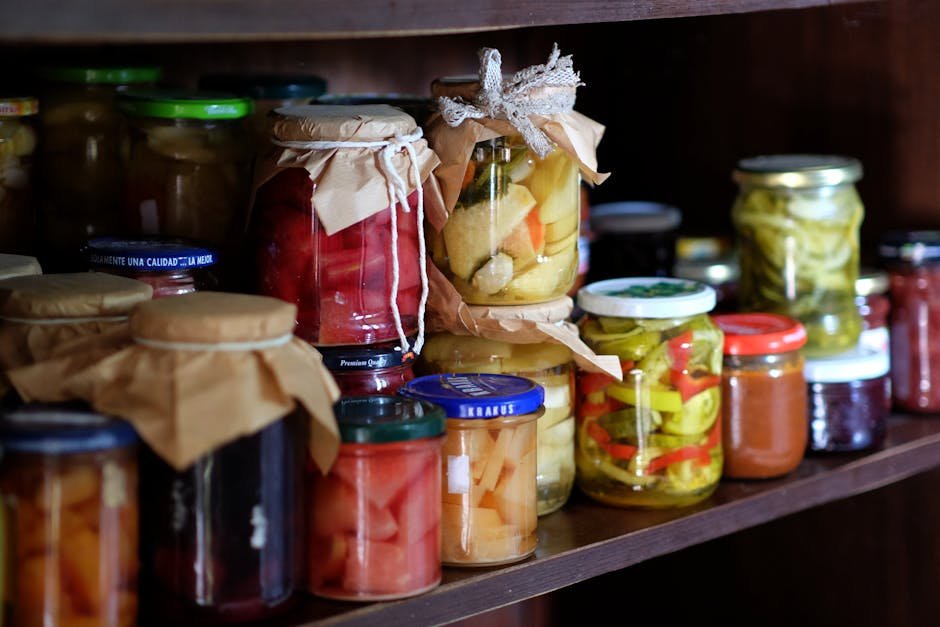
White Vinegar is a clear, distilled vinegar made primarily from grain alcohol, known for its sharp acidity and versatility. It is widely used both in culinary contexts and household applications due to its purity and strong vinegar taste.
Production Process and Ingredients
White Vinegar typically starts with the fermentation of distilled grain alcohol, resulting in a clean, transparent liquid. The fermentation process allows for a high acetic acid concentration, usually around 5-10%, which gives it its potent acidic flavor.
The distillation removes most impurities, producing a vinegar that is free from color and strong aromas, making it ideal for culinary uses where clarity is desired. In many countries, including the United States, white vinegar is commonly made from corn or wheat-based ethanol.
Its simple composition is often why it is preferred in recipes requiring a neutral acidity that won’t alter the color or taste of the dish significantly. This also makes it a popular choice for pickling vegetables and preserving foods.
Culinary Applications
White Vinegar is widely used in recipes that benefit from a clean acidic punch without additional flavor complexity. It is a staple in vinaigrettes, marinades, and sauces where a neutral sharpness enhances other ingredients.
It is frequently chosen for pickling cucumbers and other vegetables because it does not impart any color or flavor beyond acidity. This neutrality also makes it a common ingredient in baking, where it reacts with baking soda to produce leavening.
In some cuisines, white vinegar is used to brighten flavors without altering the overall taste profile, such as in certain Indian or Southeast Asian dishes. Its versatility extends beyond food, but culinary use remains one of its primary functions.
Household and Industrial Uses
Beyond the kitchen, White Vinegar serves as an effective natural cleaning agent due to its acidity and antimicrobial properties. It is commonly used to remove mineral deposits, disinfect surfaces, and deodorize household items.
The vinegar’s clear nature prevents staining on surfaces, making it suitable for cleaning glass, countertops, and stainless steel appliances. Its affordability and accessibility have made it a popular eco-friendly alternative to many chemical cleaners.
Industries also utilize white vinegar for food processing and preservation, capitalizing on its preservative qualities and consistent acidity. This broad utility underscores its reputation as a multi-purpose vinegar.
What is Malt Vinegar?

Malt Vinegar is a type of vinegar made from malted barley, known for its distinctive brown color and rich, malty flavor. It holds a traditional place in British cuisine and is especially popular as a condiment for fried foods.
Origin and Production Method
Malt Vinegar originates from the fermentation of malted barley, where the sugars convert into alcohol before transforming into acetic acid. This fermentation method imparts complex flavor compounds that distinguish it from grain-based vinegars.
The characteristic brown hue comes from the malted barley and the aging process, which often involves wooden casks enhancing depth and aroma. The production style reflects traditional brewing techniques closely linked to beer-making.
This type of vinegar is typically aged longer than white vinegar, contributing to its mellow yet tangy profile. The malt base also adds a subtle sweetness alongside acidity, creating a balanced taste.
Culinary Roles and Regional Usage
Malt Vinegar is synonymous with British culinary traditions, commonly paired with fish and chips, where its robust flavor complements fried foods. Its slightly sweet, malty notes enhance the savoriness of dishes without overwhelming them.
In the UK and other parts of Europe, it is a favored condiment for pies, puddings, and pickled items, reflecting its cultural significance. Malt vinegar’s distinctive taste makes it a preferred choice for sauces and dressings requiring more complexity than white vinegar offers.
Outside of Britain, malt vinegar sees less frequent use but is still appreciated in gourmet cooking for its unique flavor. It acts as a seasoning that can elevate simple dishes with its characteristic tang and depth.
Flavor Profile and Sensory Characteristics
Malt Vinegar’s flavor is more layered compared to white vinegar, combining acidity with malty sweetness and earthy undertones. This complexity results from the malted barley base and the extended fermentation and aging process.
The aroma is richer and often described as nutty or toasted, which adds to the sensory experience in culinary applications. Its brown color is also visually appealing and signals a more robust vinegar to consumers and chefs alike.
Because of its strong character, malt vinegar is used sparingly to avoid overpowering other ingredients. Its nuanced taste can balance out rich, fried, or fatty foods by cutting through grease with acidity and flavor.
Comparison Table
The following table highlights distinctions between White Vinegar and Malt Vinegar based on production, flavor, and typical uses.
| Parameter of Comparison | White Vinegar | Malt Vinegar |
|---|---|---|
| Base Ingredient | Distilled grain alcohol (corn, wheat) | Malted barley |
| Color | Clear and transparent | Brown, amber hues |
| Acidity Level | Typically 5-10% acetic acid | Usually around 5% acetic acid |
| Flavor Profile | Sharp, neutral acidity | Malty, slightly sweet, complex tang |
| Common Culinary Uses | Pickling, baking, vinaigrettes | Condiment for fried foods, sauces |
| Geographical Popularity | Global, especially North America | Primarily United Kingdom and Europe |
| Production Time | Relatively short fermentation and distillation | Longer fermentation and aging |
| Household Applications | Cleaning, disinfecting, deodorizing | Rarely used outside culinary context |
| Visual Impact on Food | Does not alter color | Adds brown tint and visual richness |
| Price Range | Generally inexpensive and widely available | Moderate cost due to specialty production |
Key Differences
- Ingredient Origin — White Vinegar is derived from distilled grain alcohol, whereas Malt Vinegar is brewed from malted barley.
- Flavor Complexity — Malt Vinegar offers a multifaceted taste with malt sweetness, contrasting with the straightforward acidity of White Vinegar.
- Typical Usage — White Vinegar is used broadly for culinary and cleaning purposes, unlike Malt Vinegar, which is predominantly a food condiment.
- Color and Visual Effect — White Vinegar is colorless and neutral in appearance, while Malt Vinegar imparts a distinctive brown color to dishes.
- Regional Association —
Table of Contents