Spring Pea Pesto Pasta Recipe
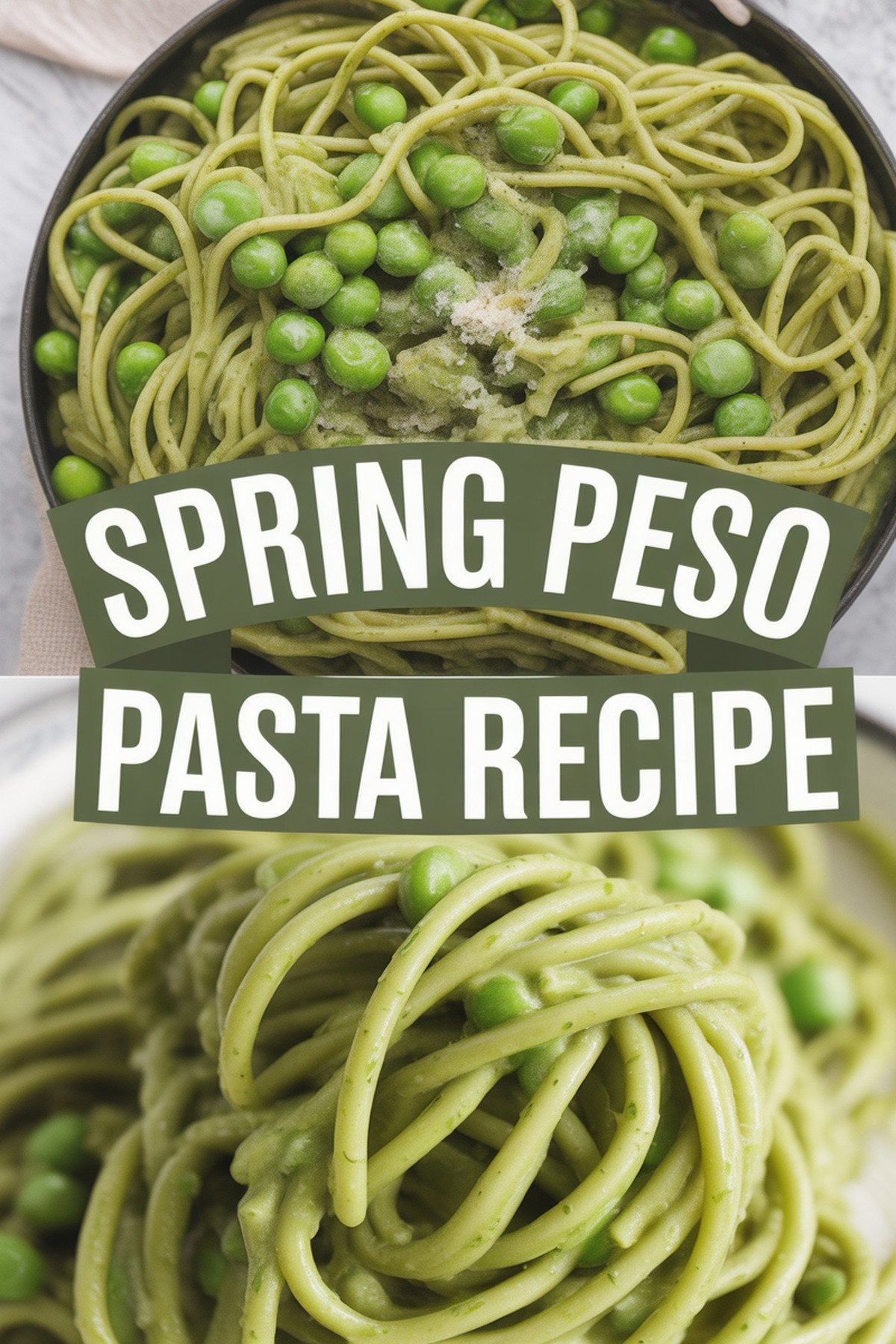
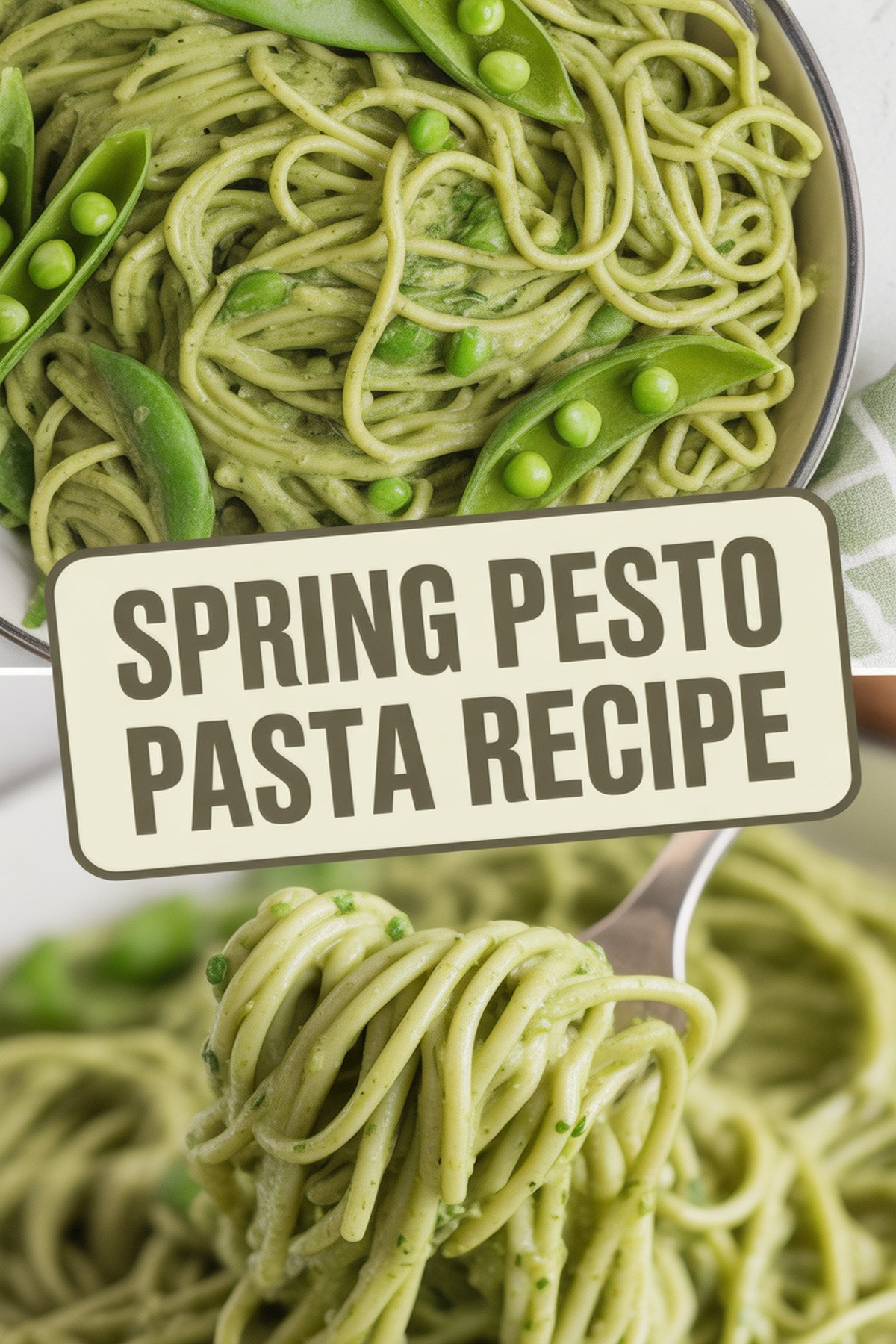
Spring pea pesto pasta is one of those dishes that instantly brings a sense of freshness to the table. The bright green color and sweet flavor of the peas combined with fragrant basil make it a delightful way to celebrate the season. I often find myself reaching for this recipe when I want something light yet satisfying.
What I love about this dish is how straightforward it is to prepare. With just a handful of ingredients and simple steps, you can have a flavorful meal ready in under half an hour. It’s perfect for busy days when you want to eat well without spending too much time in the kitchen.
The pesto itself is creamy and vibrant, with a lovely balance of nuttiness from the pine nuts and a hint of citrus from the lemon. Tossed with pasta, it creates a comforting yet fresh meal that feels both nourishing and indulgent. It’s a great way to enjoy spring’s bounty in a casual, approachable way.
Whether served warm or at room temperature, this pasta is versatile and easy to customize. It’s a recipe that feels like a little celebration of spring in every bite.
Quick Facts
| Servings | 4 servings |
|---|---|
| Prep Time | 10 minutes |
| Cook Time | 15 minutes |
| Total Time | 25 minutes |
Recipe Highlights
This spring pea pesto pasta is one of those dishes that feels both fresh and comforting at the same time. I usually whip it up when the weather starts warming and fresh peas are at their peak. What makes it special to me is the vibrant green color and the subtle sweetness from the peas, balanced by the nuttiness of the pesto. It’s a quick meal that doesn’t skimp on flavor, perfect for busy weeknights or casual weekend lunches. Plus, it’s a great way to sneak in some veggies without any fuss.
- Reliable weeknight option
- Minimal ingredients
- Rich, crowd-pleasing flavor
- Scales well for guests
What You’ll Need
Gather these ingredients to make a fresh and flavorful spring pea pesto pasta. Most are simple pantry or market staples, with the peas adding a seasonal touch.
- 12 oz pasta (penne or fusilli work well)
- 2 cups fresh or frozen peas
- 1 cup fresh basil leaves
- 1/2 cup grated Parmesan cheese
- 1/3 cup pine nuts or walnuts
- 2 cloves garlic, minced
- 1/2 cup extra virgin olive oil
- 1 tablespoon lemon juice
- Salt and freshly ground black pepper, to taste
- 1/4 teaspoon red pepper flakes (optional)
- 1/4 cup reserved pasta water
- Zest of 1 lemon
- 1 tablespoon butter (optional, for extra richness)
How to Make It
Follow these steps to bring together a bright and creamy spring pea pesto pasta.
- Cook the pasta according to package instructions until al dente. Reserve 1/4 cup of the pasta cooking water before draining.
- While the pasta cooks, blanch the peas in boiling water for 2 minutes if using fresh, then drain and rinse under cold water. If frozen, just thaw slightly.
- In a food processor, combine the peas, basil, Parmesan, pine nuts, garlic, lemon juice, and a pinch of salt and pepper. Pulse until roughly blended.
- With the processor running, slowly drizzle in the olive oil until the pesto reaches a smooth, creamy consistency. Add red pepper flakes if using.
- Toss the hot pasta with the pesto, adding reserved pasta water a little at a time to loosen the sauce as needed. Stir in lemon zest and butter if desired.
- Adjust seasoning to taste and serve immediately, garnished with extra Parmesan or pine nuts if you like.
Helpful Tips
Here are some helpful pointers to get the best results with this recipe.
- Use fresh peas when possible for the sweetest flavor, but frozen peas work well too.
- Toast the pine nuts or walnuts lightly before adding to the pesto for extra depth.
- Reserve pasta water to adjust the pesto’s consistency—it helps the sauce cling to the noodles.
- Don’t over-process the pesto; a slightly chunky texture adds nice bite.
- Add lemon zest and juice gradually to balance brightness without overpowering.
- Serve immediately for best flavor, but leftovers can be gently reheated with a splash of water.
Ingredient Swaps
If you want to switch things up or accommodate what you have on hand, try these ingredient swaps.
- Replace pine nuts with almonds, cashews, or sunflower seeds for a different nutty flavor.
- Swap basil for fresh mint or parsley for a unique twist on the pesto.
- Use pecorino cheese instead of Parmesan for a sharper taste.
- Try whole wheat or gluten-free pasta to meet dietary preferences.
- Olive oil can be substituted with avocado oil for a milder flavor.
- Add a handful of spinach or arugula to the pesto for extra greens.
Storage Tips
To keep your spring pea pesto pasta fresh, here’s how to store it properly.
- Store leftover pasta in an airtight container in the refrigerator for up to 3 days.
- If the pesto thickens after chilling, stir in a little olive oil or warm water before serving again.
- You can freeze leftover pesto separately in ice cube trays for up to 3 months.
- Reheat pasta gently on the stove or microwave, adding a splash of water to loosen the sauce.
- Avoid freezing the pasta mixed with pesto, as the texture may become mushy.
What to Serve With It
This dish pairs beautifully with these simple sides and additions.
- A crisp green salad with lemon vinaigrette
- Grilled chicken or shrimp for added protein
- Crusty garlic bread or focaccia
- Light white wine like Sauvignon Blanc or Pinot Grigio
Common Questions
Here are answers to some common questions about making and enjoying this pasta.
Nutritional Info
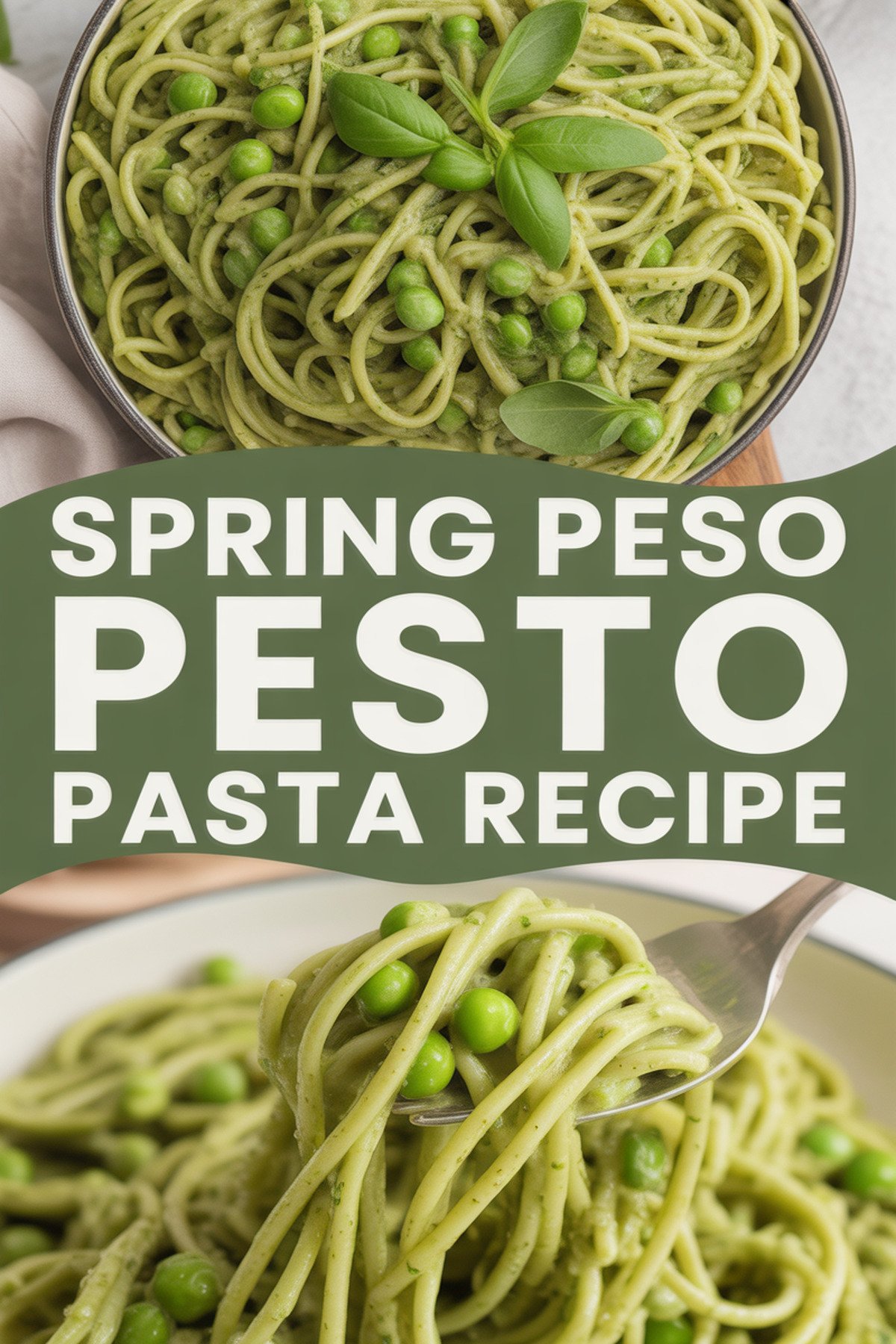
Table of Contents