I started keeping a little box of leftover fabric years ago and it quietly became one of my favorite creative habits. Small snippets of cotton and linen lived between patterns and textures, sparking ideas on slow afternoons while a sewing machine hummed nearby.
The joy of scrap fabric sewing project ideas comes from the unexpected color pairings and the way a tiny square can turn into something cozy.
Working with scraps always feels forgiving; mismatched prints sit together comfortably and the tactile mix of soft and slightly stiff pieces keeps me curious. A handful of projects below grew from those easy experiments and the small, satisfying moments when a pile of leftovers becomes a finished object.
Patchwork pillow cover with playful scrappy squares

There is something quietly joyful about a pillow made from random squares of fabric. I remember laying out bits on the living room floor, enjoying the soft rustle and the small visual surprises when a floral met a gingham.
The stitching lines add a faint ridge that invites fingers to trace them, and the finished pillow warms up a couch corner as if it had always belonged there. Colors that felt mismatched on their own suddenly harmonic together.
The texture mix of cotton, flannel, and a stray denim scrap makes the piece feel layered and lived-in.
Steps
- Cut fabric scraps into uniform squares according to the desired pillow size.
- Arrange squares into a pleasing layout and stitch rows together with a consistent seam allowance.
- Join the rows into a single patchwork panel and press seams flat.
- Trim panel to pillow dimensions and sew with a backing fabric, leaving an opening for an insert.
- Turn the cover right side out, insert a pillow form, and close the opening with a neat seam.
Tiny scrappy fabric coasters for everyday sips

I like the small, satisfying rhythm of a coaster under a mug, especially when it’s made from tiny fabric leftovers. Each coaster carries a micro-memento: a scrap from an old shirt, a remnant of a favorite dress.
The edges show a neat stitch, and the fabric layers mute condensation with a gentle thickness. Holding one brings a faint memory of the fabrics’ previous life while the heat of a cup warms the center.
They stack easily in a basket and lend a casual, handcrafted look to a breakfast nook.
Steps
- Trim scraps into slightly oversized squares and layer with an absorbent batting center.
- Sew around the perimeter with a close stitch, leaving a small gap for turning.
- Turn pieces right side out and topstitch around the edge to close the gap and secure layers.
- Repeat to create a matching set and press each coaster flat for finished appearance.
A scrappy tote bag that feels like a collage
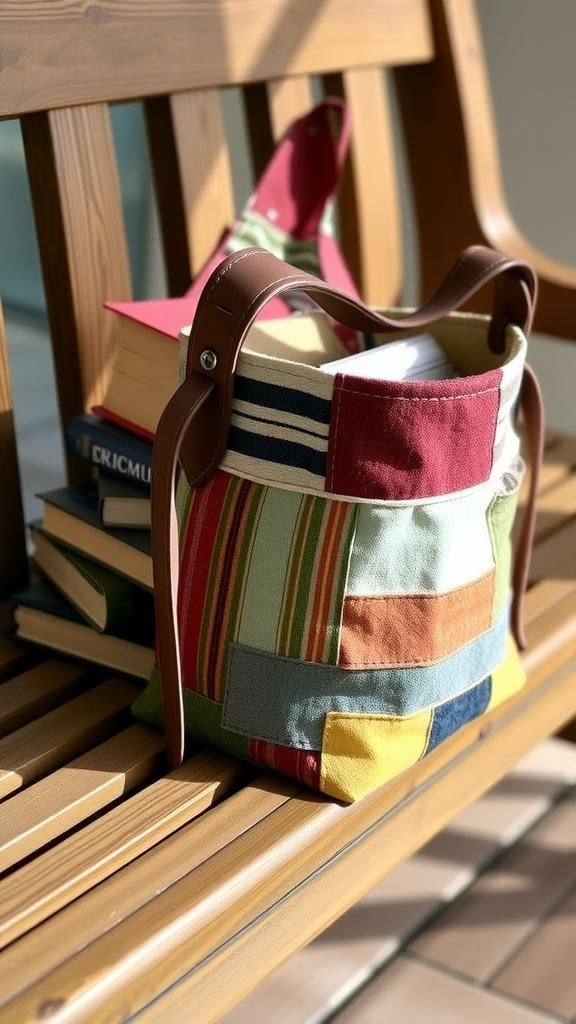
There was a day when a handful of long scraps became a tote that I reach for again and again. The bag reads like a collage, with stripes, florals, and solid patches creating a lively surface.
The handles carry the faint memory of heavier stitching and the fabric gives a reassuring weight when filled with books. In the quiet of folding laundry, the tote slumps in a friendly way, its seams and layers visible like lines on a map.
It has a slightly asymmetrical charm that feels personal rather than polished.
Steps
- Lay out scrap pieces to form two matching panels and stitch them together to create the tote body.
- Attach a lining panel inside each outer panel, sewing around to secure edges and create neat corners.
- Sew the side seams and bottom seam, leaving the top open for handles.
- Make sturdy handles from folded fabric strips and stitch them to the top edge with reinforced stitching.
- Turn the tote right side out and press seams for a clean finish.
Quilted table runner with charming mismatched strips
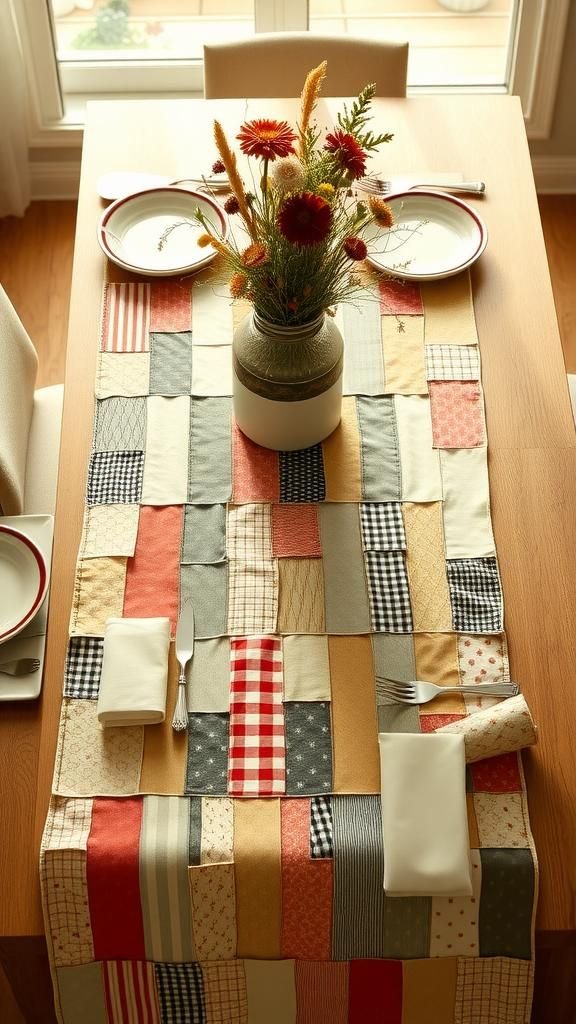
I set a narrow table aside and draped a runner made from long scrap strips across it, enjoying how the room seemed to settle around that strip of color. The fabric edges whisper against the tabletop when dishes slide, and the quilted texture creates a comforting tactile rhythm.
Tiny imperfections in alignment give it a handmade honesty that invites conversation. The runners’ ends flutter slightly when a breeze moves through, and the contrast between a busy center and calm borders brings balance to a dining surface.
Guests always ask where it came from.
Steps
- Sew long strips of scrap fabric together to reach the runner length, pressing seams toward darker fabrics.
- Layer the top panel with batting and a backing fabric, pinning or basting to hold layers in place.
- Quilt across the width in straight or decorative lines, stitching through all layers.
- Trim edges square and bind the runner with a coordinating fabric strip for a finished border.
Fabric wreath for seasonal door charm
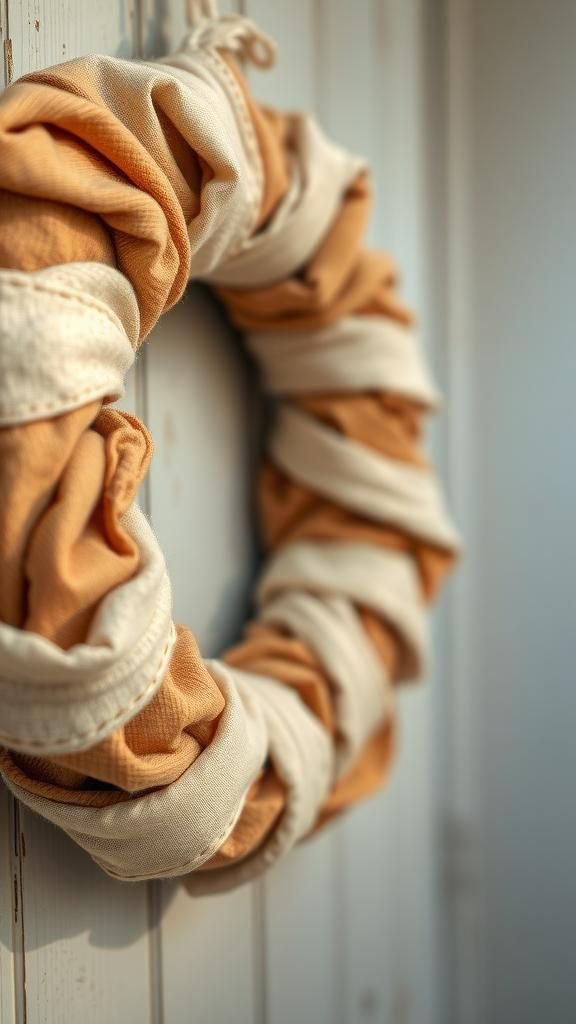
A crooked fabric wreath hangs on my kitchen door and it always makes me smile. Thin strips knotted around a circular base create a soft, full silhouette that feels both rustic and playful.
The fabrics rustle faintly when the door moves, and layered patterns peek out at different angles. The scent of linen and cotton drifts from the cloth when sunlight warms it, and small imperfections in the knots make the piece feel uniquely human.
It brightens the entryway without shouting, welcoming visitors with a quiet, textile hug.
Steps
- Prepare a circular base from a foam or wire ring and arrange fabric strips nearby.
- Knot strips around the base close together, varying fabrics and knot tightness for texture.
- Continue until the ring is fully covered and fluff the fabric ends for fullness.
- Trim any overly long threads and attach a fabric loop for hanging.
Handmade fabric beads for tactile necklaces
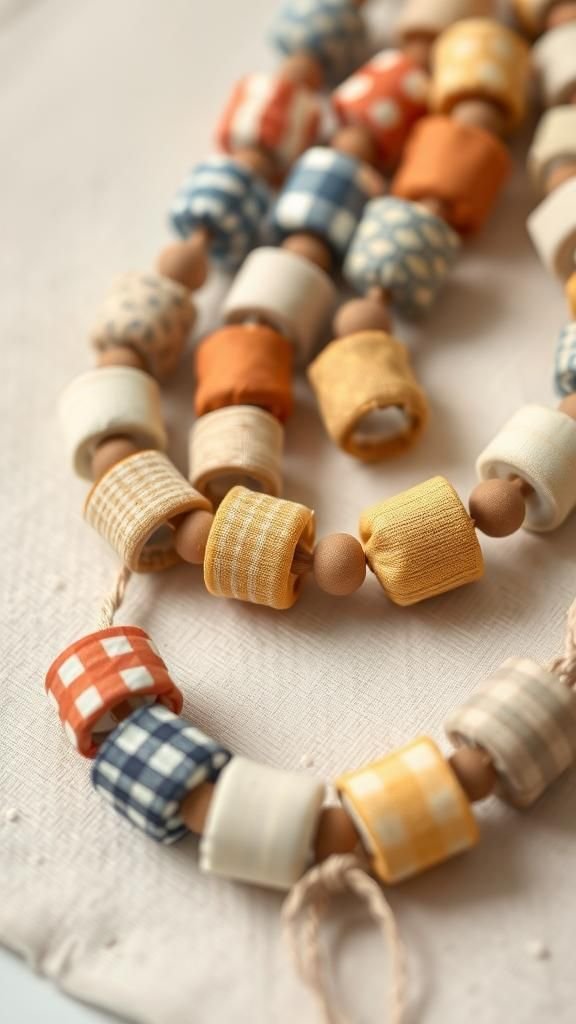
I rolled narrow fabric strips into tiny beads once while watching a movie, and they turned into necklaces that feel warm against the skin. The texture is pleasantly soft, with seams forming faint ridges that catch light.
Colors blend in unexpected ways when beads sit close together, and the weight is featherlight compared with traditional beads. They carry a domestic intimacy, as if each one remembers being part of a shirt or curtain.
Wearing one brings a small smile and curious people often reach out to touch the gentle surface.
Steps
- Cut strips of fabric into long, tapered triangles and prepare a smooth cord for threading.
- Starting at the wide end, wrap each strip tightly around a thin stick or skewer to form a bead shape.
- Secure the end with a small stitch or fabric glue and slide the bead onto the cord.
- String beads in a desired pattern and tie the necklace ends securely.
Appliqué tea towels with cheerful motifs
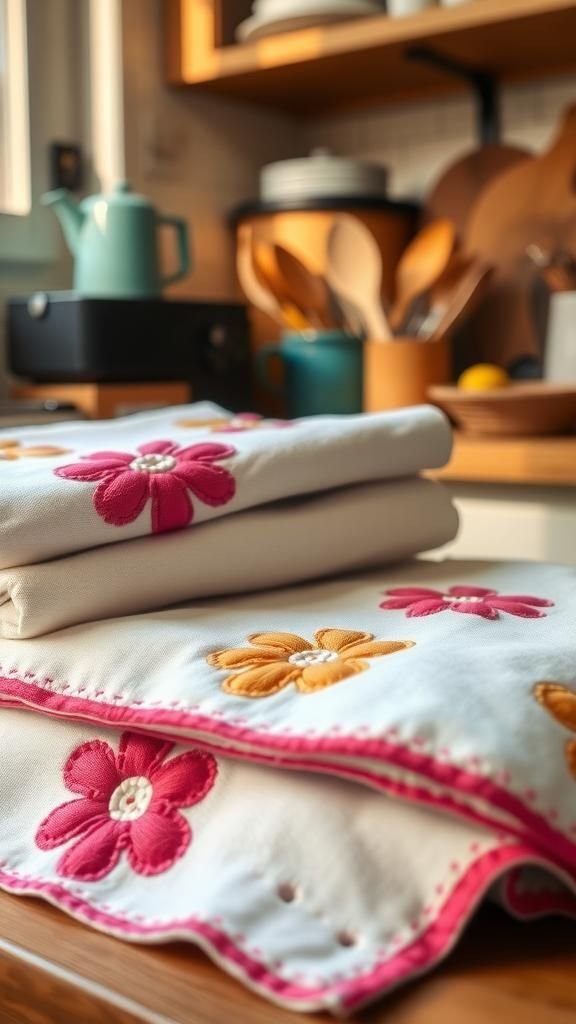
Tea towels brightened by small appliqué shapes sit folded on my counter and always cheer up a morning routine. The fabric edges curl slightly after washings, lending a lived-in softness, while the appliqué pieces add little pockets of surprise—a lemon, a teapot, a little heart.
Threads catch the light in a playful way and the contrast between plain cloth and patterned scraps feels lively. I often imagine past meals when a particular scrap came from a special tablecloth.
They make everyday chores feel less ordinary and more like small celebrations.
Steps
- Choose a plain towel base and select small scrap shapes for appliqué motifs.
- Position motifs on the towel and baste them in place with small stitches.
- Stitch around each motif edge with a tight zigzag or decorative stitch to secure.
- Trim any loose threads and press the towel for a crisp finish.
A scrappy rag rug made from woven strips
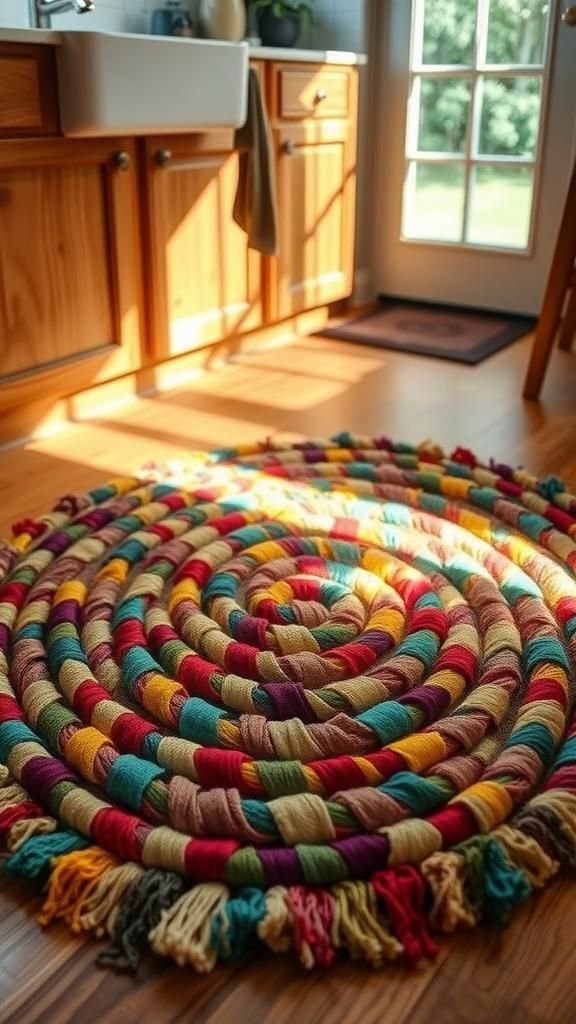
A rag rug under my kitchen sink absorbs a little chaos and returns a lot of charm. Thick braided or woven strips create a cushioned surface that muffles footsteps and catches stray crumbs like a patient friend.
The rug has a pleasing heft and the mixed textures create a subtle, uneven surface under bare feet. Colors fade in different ways with washing, producing a gentle, weathered look that I have grown fond of.
It anchors the space without drawing too much attention, quietly holding daily life together.
Steps
- Cut fabric scraps into consistent width strips and join ends to create long lengths.
- Braid or weave several lengths together to form a wide strip suitable for a rug.
- Coil the braided strip into the desired rug shape and stitch the coil together as it grows.
- Secure the outer edge and trim any loose threads for a neat border.
Fabric bookmarks that tuck into favorite pages

I keep a small stack of fabric bookmarks by my reading chair and they feel like tiny comforts. Each one is soft to the touch, thin enough not to bulge between pages yet sturdy enough to find its place easily.
A corner of bright print peeks out from a closed novel, signaling where the story paused. The tactile seam along the edge becomes familiar over time.
They often begin as scraps from a larger project, carrying a whisper of that piece’s origin. Slipping one into a book feels like leaving a small, colorful note for later.
Steps
- Cut scraps into long, narrow rectangles and layer with a lightweight interfacing for stability.
- Sew around the perimeter, leaving a small opening for turning.
- Turn right side out, press flat, and topstitch close to the edge to finish.
- Optionally add a tassel or ribbon to one end for an added accent.
A tidy zipper pouch from tiny leftover pieces

Small zipper pouches made from tiny leftovers live in many pockets of my home, holding everything from spare buttons to loose receipts. The fabric outside often features unexpected pairings, and the zipper adds a crisp line against soft cloth.
Opening a pouch reveals a small private world of gathered items and the smell of cotton. The pouch sits neatly on a dresser or slips into a bag without fuss.
Its compact size makes it feel friendly rather than precious, and it brings a little handmade calm to everyday clutter.
Steps
- Cut two outer fabric panels and two lining panels to the same dimensions and prepare a zipper.
- Place zipper between one outer panel and one lining panel, right sides together, and stitch along the zipper edge.
- Repeat on the other side of the zipper with the remaining panels, creating a sandwich.
- Sew around the pouch edges, leaving a small opening in the lining, then turn right side out and press.
Soft scrunchies that revive faded ponytails
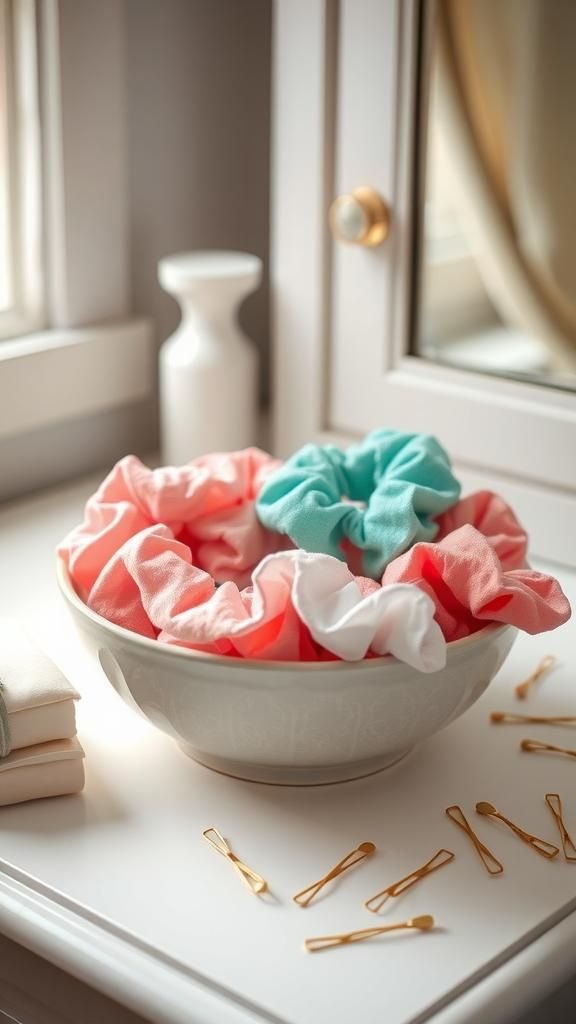
A basket of scrunchies made from leftover fabric sits on my vanity and they feel delightfully nonchalant. The fabric gathers into a pillowy band that breathes around hair, and the texture becomes familiar with each wear.
Prints peek and fold in pleasing ways when twisted around a ponytail, and the elastic core gives a gentle springiness. They carry a hint of nostalgia, reminding me of hairstyles from different seasons.
When I pull one from the pile, the slight scent of a laundry room lingers and a simple routine feels a bit brighter.
Steps
- Cut long rectangular strips of fabric and prepare an elastic band to match the desired scrunchie fullness.
- Fold the fabric strip lengthwise with right sides together and sew along the long edge to form a tube.
- Turn the tube right side out, insert the elastic, and join the elastic ends securely.
- Slip the fabric tube over the elastic joining seam and stitch the fabric ends together to close.
A cheerful fabric garland for festive corners
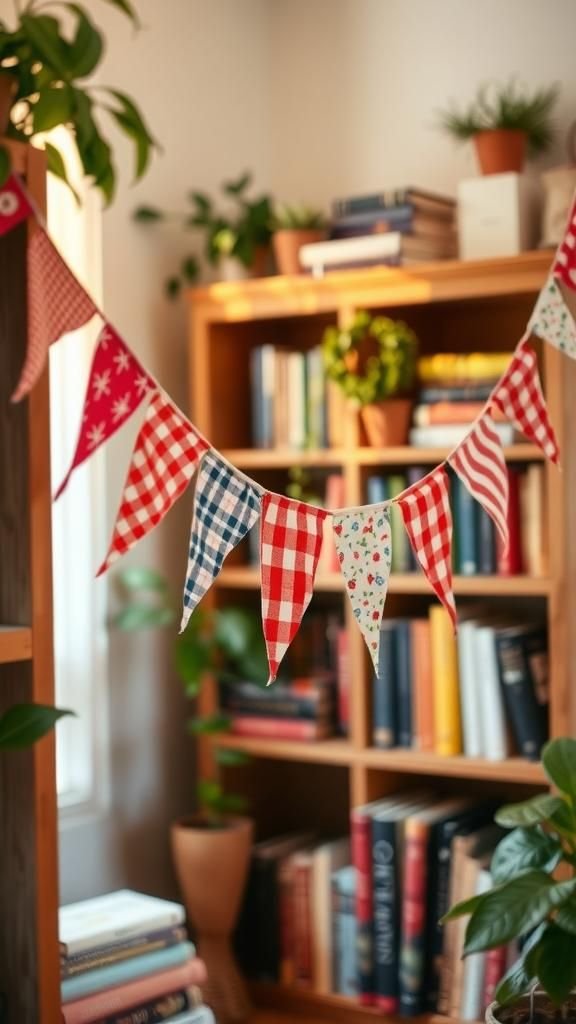
A tiny garland strung across a shelf changes a room like a quick wink. Little flags and soft fabric shapes sway with air currents, adding motion and a sense of celebration to everyday spaces.
The mix of prints creates a lively rhythm and the frayed edges lend a relaxed energy. I often drape one around a mirror or across a bookcase for a pop of pattern.
The colors catch the light differently as the day shifts, and the garland seems to reflect the changing mood of the room, making it feel more playful.
Steps
- Prepare a series of fabric shapes such as triangles or circles from scraps and press them flat.
- Arrange shapes along a length of cord or bias tape and pin spacing as desired.
- Sew each shape in place by stitching along the top edge or through the center, securing to the cord.
- Trim any loose threads and hang the garland in a cheerful spot.
Stuffed fabric hearts for little gestures

I keep a jar of small stuffed fabric hearts on my bedside table and they feel like quiet gifts. Each heart is plump and soft, the seams slightly puckered from hand or machine stitching, and the fabric patterns range from tiny florals to bold stripes.
Holding one feels pleasantly intimate; the weight is just enough to rest comfortably in the palm. They carry a softness that makes them suitable for pockets, wrapped bundles, or as open reminders of thoughtfulness.
The scent of linens and a hint of quilting cotton brings a calm, intimate feeling.
Steps
- Trace heart shapes onto scrap fabric and cut two matching pieces for each heart.
- Place right sides together and stitch around the edges, leaving a small opening for turning.
- Turn hearts right side out and fill with soft stuffing evenly.
- Hand-stitch the opening closed with small, neat stitches for a finished look.
Patchwork journal cover that ages with pages
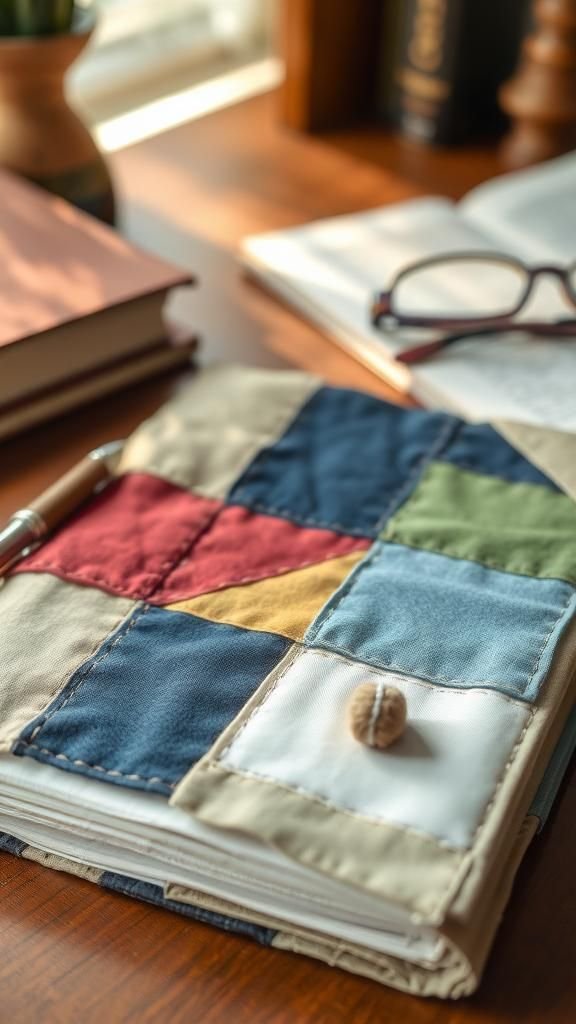
A fabric-covered journal sits on my desk with a patchwork cover that gains character each time the book is used. The texture of the cloth softens at the corners and the spine shows a faint crease that tells of many opened afternoons.
Prints and plain pieces meet like pages in a collage, and brushing a finger across the cover brings a faint thread friction that feels comforting. It shelters notes and sketches, and the tactile cover encourages lingering.
The cover makes the act of writing feel like a small ritual rather than a hurried task.
Steps
- Measure the journal cover and cut patchwork fabric panels slightly larger than the surface area.
- Stitch scraps together to form a single outer panel and press seams flat.
- Adhere or sew the patchwork panel onto a backing fabric or interfacing for stability.
- Wrap the fabric around the journal cover and stitch or secure the edges neatly to fit snugly.
Sturdy fabric bowl for keys and small items
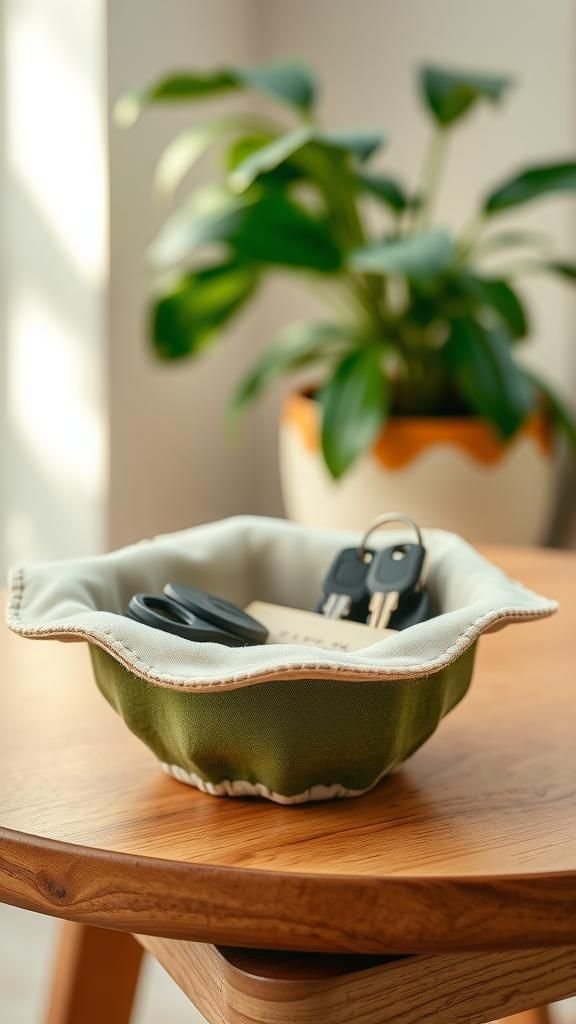
A small fabric bowl sits by my door collecting keys, loose coins, and a stray hairpin with unassuming usefulness. Its sides hold shape from layered scraps or a simple interfacing, creating a soft but reliable vessel.
The inside surface wears with tiny creases that map routines, and the outer fabric patterns give a lively face to an otherwise mundane object. When picking items from it, there is a slight rustle that feels homey.
It makes everyday objects feel cared for, turning clutter into a deliberate little arrangement.
Steps
- Cut circular or square fabric panels and layer with interfacing, stacking multiple layers for stiffness.
- Sew concentric circles or box-style seams to shape the bowl and secure layers.
- Pinch and stitch corners or sides to form a bowl shape if working with a square base.
- Finish edge seams neatly and press for a tidy appearance.
Key fobs that brighten a handful of keys

A slim fabric key fob clipped to a ring brings a small splash of color each time I reach for keys. The fabric surface shows tiny stitch lines and a worn sheen from repeated handling, and the loop fits comfortably between thumb and forefinger.
It makes keys feel less anonymous and easier to find in a bag. The tactile band gives a small, satisfying grip and often starts conversations about where the fabric came from.
There is an unexpected pleasure in that small, durable strip of cloth becoming a daily companion.
Steps
- Cut narrow fabric strips to the desired length and fold or roll them for a neat appearance.
- Stitch the length securely, reinforcing the end that will attach to hardware.
- Slide the fabric through a key ring or hardware loop and secure with strong stitching or rivet.
- Trim any excess threads and press the finished fob for a tidy look.
Pincushions that celebrate tiny scraps
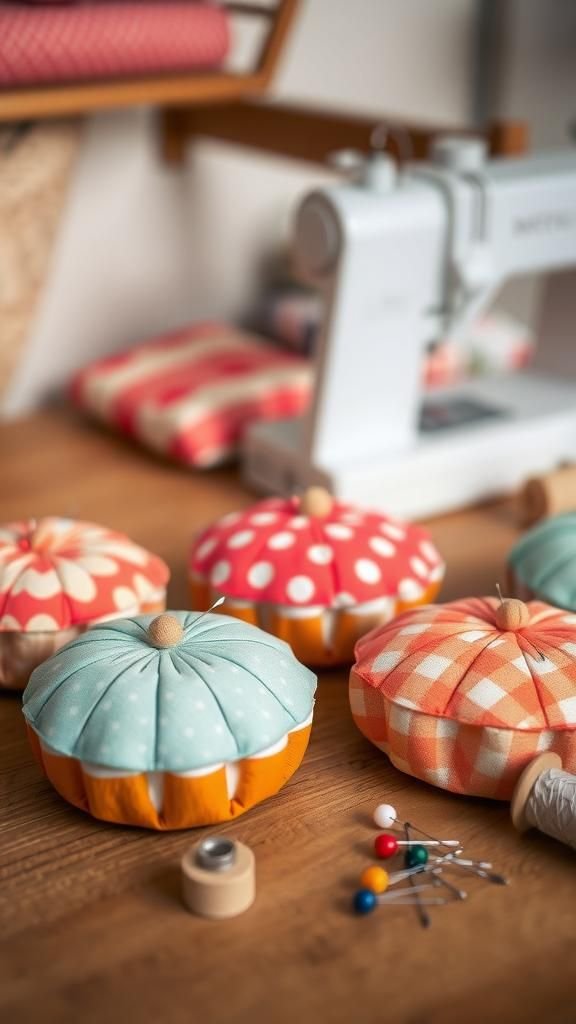
A cluster of small pincushions lives on my sewing table and they feel like little islands of usefulness. Each cushion has a soft give and a neat density that welcomes pins without complaint.
The tops show colorful fabric patterns while the underside is often a sturdier scrap, and the seams bear quiet evidence of many small stitches. The scent of cotton and a faint hint of dust from fabric fibers are comforting in a studio way.
Grabbing a pincushion is part ritual, part practicality, and it brightens the rhythm of making.
Steps
- Cut small circular or square pieces of fabric and prepare soft stuffing or wool for the cushion core.
- Sew pieces together with right sides facing, leaving a small opening for turning and filling.
- Stuff firmly to the desired density and hand-stitch the opening closed with small, neat stitches.
- Optionally add a decorative top button or small embellishment to the center.
Whimsical fabric bunting for everyday cheer
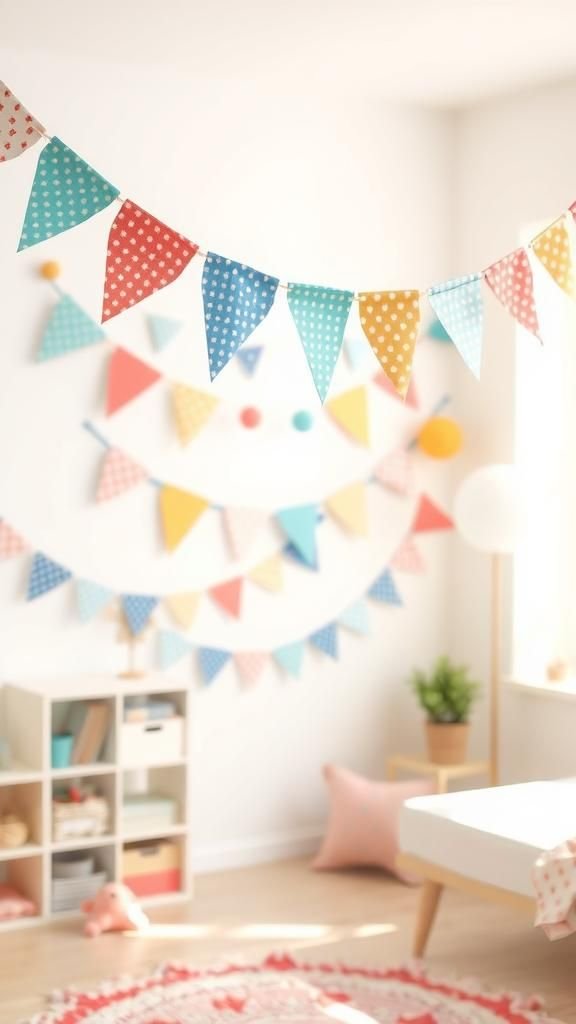
A length of fabric bunting draped across a child’s room turns ordinary walls into a playful backdrop. The triangular flags flutter slightly when a door opens and their edges soften over time with tiny frays.
Each flag combines prints that would otherwise never meet, yet together they form a harmonious line of color. The bunting joins pockets of memory—a scrap from a favorite dress, a print that matched nursery wallpaper.
It turns a simple corner into a curated moment and seems to encourage small smiles without making a fuss.
Steps
- Cut matching triangular flags from various scraps and prepare a long strip of bias tape or cord.
- Attach flags to the tape or cord at regular intervals by stitching along the top edge.
- Finish ends of the tape or cord for hanging and press the bunting lightly to set shape.
- Hang the bunting in a chosen spot and adjust spacing as desired.
Mug cozy that keeps hands pleasantly warm
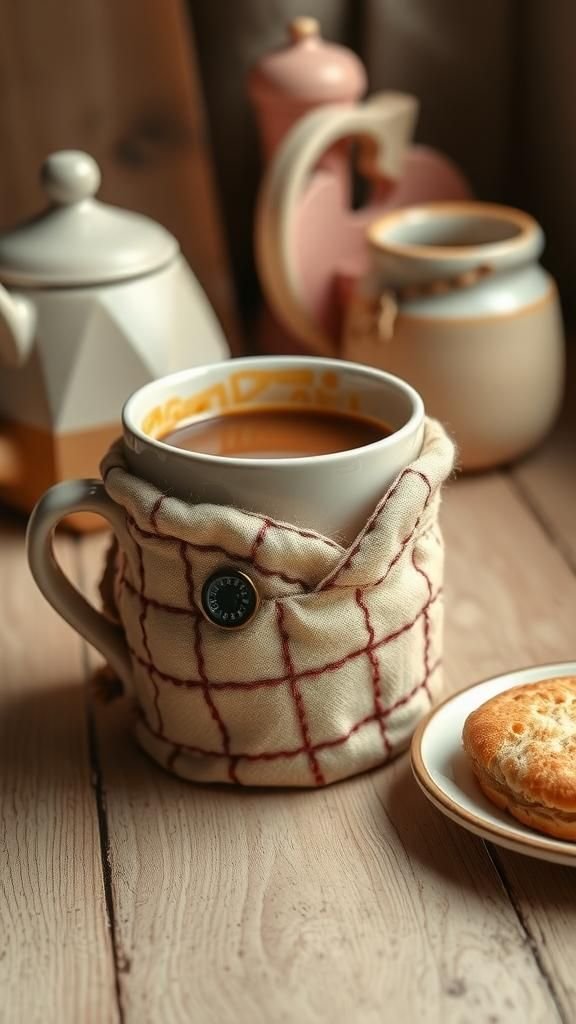
A small fabric cozy slips around a mug and makes tea feel more like a pause. The padded fabric holds warmth without overheating fingers, and the stitch pattern gives a pleasing tactile grid under the palm.
It cradles mugs of varying sizes and the fabric prints add a tiny flourish to a quiet beverage moment. The aroma of tea mingles with the faint scent of cotton and linens.
Gratifyingly small, the cozy feels like a thoughtful embrace for a cup, a domestic comfort that invites lingering without fuss.
Steps
- Cut fabric panels slightly larger than the mug circumference and layer with batting for insulation.
- Sew the layers together with quilting lines or decorative stitching to secure the batting.
- Trim to shape and finish edges with binding or topstitching for a neat look.
- Fit the cozy around a mug and adjust seam placement for a snug fit.
Postcards made from layered fabric and thread
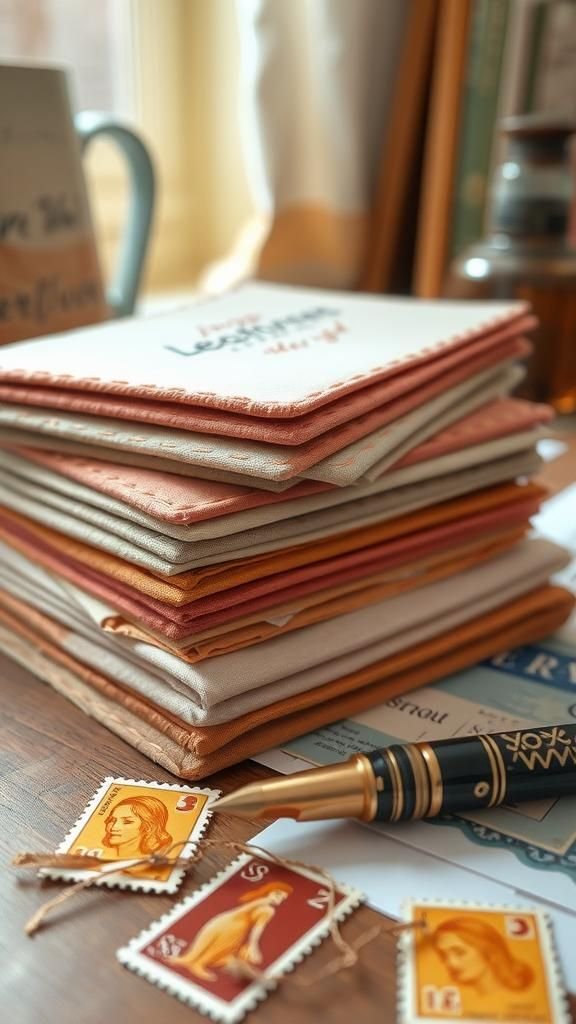
A stack of fabric postcards waits by my desk, ready to be slipped into envelopes and sent with a handwritten line. Each card is a tiny collage, the layered fabrics giving depth while embroidery adds delicate highlights.
Fingertips enjoy the slight thickness and the raised stitches. Sending one feels personal in a way a digital note cannot replicate; the recipient receives a small square that smells faintly of fabric and carries textures meant to be touched.
They are small acts of reaching out that feel gentle and tactile.
Steps
- Cut sturdy backing panels and layer small fabric scraps on top in a pleasing composition.
- Secure layers by stitching motifs or embroidery through all layers to create texture and hold.
- Trim edges to a postcard size and finish with neat topstitching or a stitched border.
- Write a message on the backing and seal postcards in protective envelopes before sending.
Simple eyeglass case for a treasured pair
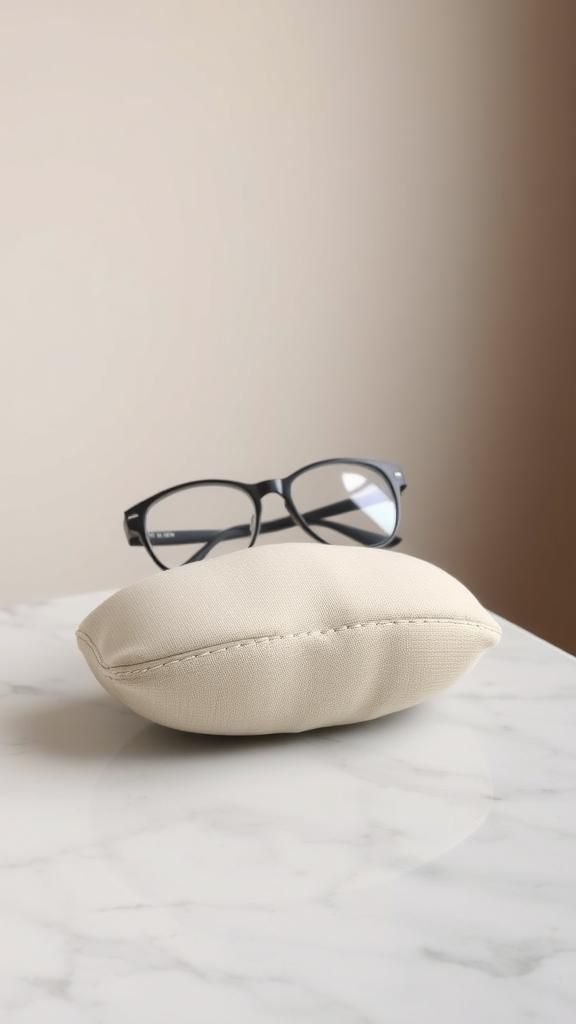
An eyeglass case crooks in my bag like a small soft shelter for lenses. The fabric exterior carries a faint scuff from being carried and the inside feels gentle against frames, protecting them from scratches.
The case closes with a neat flap or a zipper, and the patchwork outside often includes a tiny favorite print that makes the frame holder feel personal. I enjoy the small ritual of slipping glasses into the soft pocket at night and finding them the next morning, wrapped in a snug textile hug.
Steps
- Measure an eyeglass frame and cut outer and lining panels to size with slight ease.
- Sew outer panels together with any patchwork or decorative stitching desired.
- Join outer and lining pieces with right sides facing, leaving an opening for turning if needed.
- Turn right side out, topstitch around the opening, and add a flap or zipper for closure.
Table of Contents