Roasted Cauliflower Taco Bowls
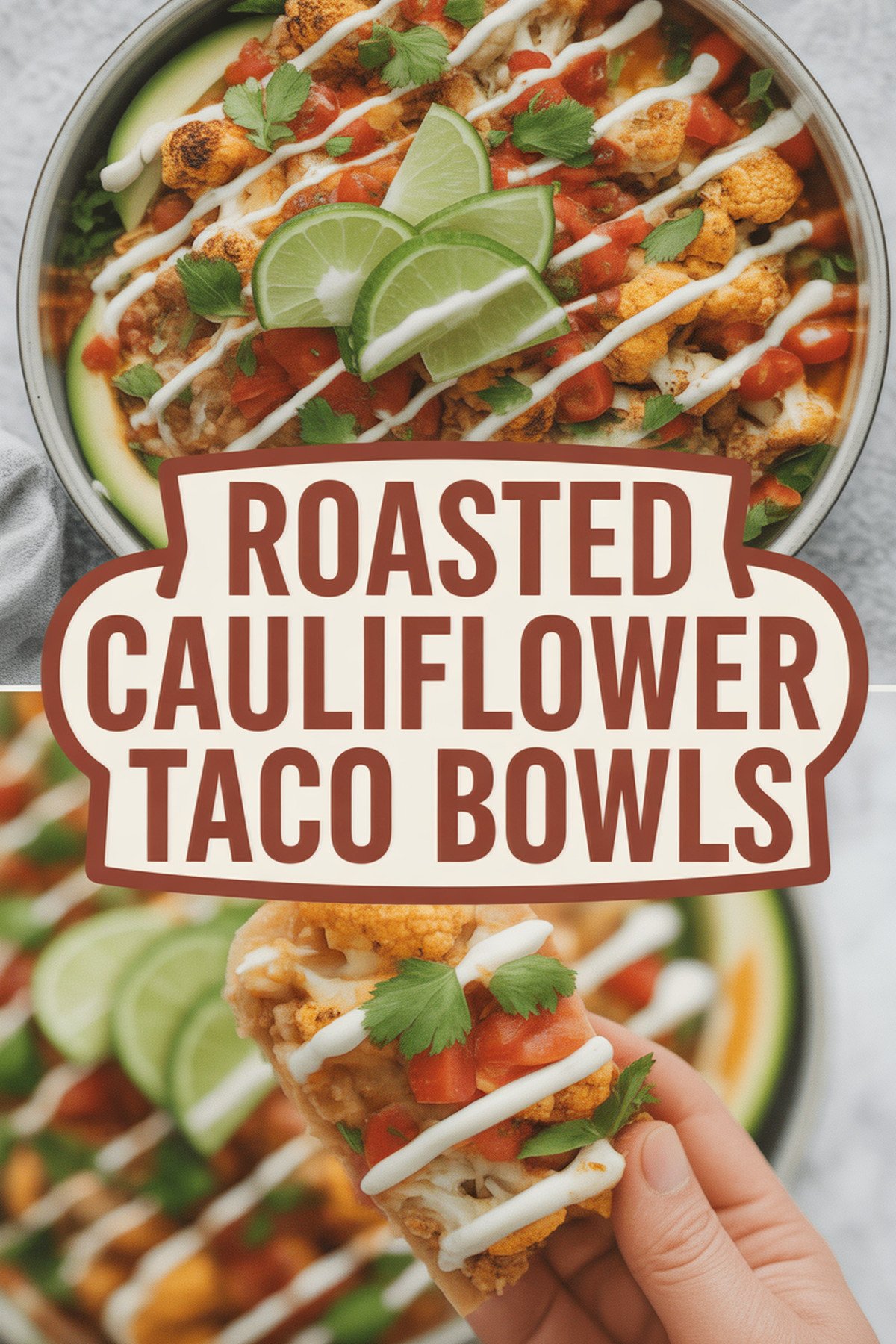
Roasted Cauliflower Taco Bowls have become a staple in my kitchen because they’re easy to prepare and always satisfy a crowd. The cauliflower develops crisp, caramelized edges in the oven, and the warm spices fill the kitchen with a cozy aroma. I like to serve these bowls on busy weeknights, letting everyone build their own with fresh toppings.
What I love most is how adaptable this meal is—sometimes I use black beans, other times I’ll add avocado or a quick slaw. The combination of textures, from the tender cauliflower to the crunchy toppings, keeps every bite interesting. It’s a reliable way to get a hearty, flavorful dinner on the table without much fuss.
This recipe is also great for meal prep. The roasted cauliflower holds up well in the fridge, and the components can be prepped ahead for quick assembly. Whether I’m feeding family or friends, these bowls are always a hit.
Quick Facts
| Servings | 4 servings |
|---|---|
| Prep Time | 10 minutes |
| Cook Time | 15 minutes |
| Total Time | 25 minutes |
Why You’ll Love It
These Roasted Cauliflower Taco Bowls are a weeknight favorite for their bold flavors and customizable toppings. They’re simple to make, filling, and work for a variety of diets. The roasted cauliflower brings a satisfying bite, and the bowls come together with pantry staples.
- Easy to customize with your favorite toppings
- Naturally vegetarian and gluten-free
- Great for meal prep or leftovers
- Ready in under an hour
- Full of flavor from simple spices
Ingredients
This recipe uses a mix of fresh vegetables, canned beans, and everyday spices. I keep the ingredients list simple, but you can add or swap toppings as you like. Everything is easy to find at most grocery stores.
- 1 large head cauliflower, cut into bite-size florets
- 2 tablespoons olive oil
- 1 1/2 teaspoons chili powder
- 1 teaspoon ground cumin
- 1/2 teaspoon smoked paprika
- 1/2 teaspoon garlic powder
- 1/2 teaspoon kosher salt
- 1 (15 oz) can black beans, drained and rinsed
- 2 cups cooked rice (white, brown, or cilantro-lime)
- 1 cup cherry tomatoes, halved
- 1/2 small red onion, thinly sliced
- 1 avocado, sliced
- 1/4 cup chopped fresh cilantro
- 1 lime, cut into wedges
- 1/2 cup salsa or pico de gallo
- Optional: sliced jalapeño, shredded lettuce, hot sauce
Step-by-Step Instructions
Start by roasting the cauliflower with spices until golden and crisp. While it cooks, prep your toppings and warm the beans. Then, assemble the bowls to your liking for a colorful, satisfying meal.
- Preheat oven to 425°F (220°C). Line a large baking sheet with parchment paper.
- In a large bowl, toss cauliflower florets with olive oil, chili powder, cumin, smoked paprika, garlic powder, and salt until evenly coated.
- Spread cauliflower in a single layer on the prepared baking sheet.
- Roast for 25–30 minutes, flipping halfway, until cauliflower is browned and tender.
- While cauliflower roasts, warm black beans in a small saucepan over low heat. Stir occasionally.
- Prepare rice and chop all toppings: halve tomatoes, slice onion and avocado, chop cilantro, and cut lime into wedges.
- To assemble, divide rice among four bowls. Top each with roasted cauliflower, black beans, tomatoes, onion, avocado, and cilantro.
- Add salsa or pico de gallo and any optional toppings. Serve with lime wedges.
Chef Tips
A few simple tips make these bowls even better. Roasting the cauliflower at high heat ensures crisp edges, and prepping toppings ahead saves time. Adjust the spice level to your taste.
- Cut cauliflower into similar-sized pieces for even roasting.
- Don’t overcrowd the baking sheet—use two if needed.
- Toss cauliflower halfway through roasting for even browning.
- Prep toppings while the cauliflower cooks to save time.
- Add extra lime or hot sauce for a flavor boost.

Substitutions
This recipe is flexible, so feel free to swap ingredients based on what you have. You can change up the base, beans, or toppings to suit your preferences or dietary needs.
- Use quinoa or farro instead of rice.
- Swap black beans for pinto or kidney beans.
- Try broccoli or sweet potato in place of cauliflower.
- Add shredded cheese or dairy-free cheese for extra richness.
- Use green onions or pickled onions instead of raw red onion.
- Top with Greek yogurt or dairy-free yogurt instead of sour cream.
Storage & Reheating
These bowls are great for leftovers and meal prep. Store each component separately for best texture. Reheat only what you need and assemble fresh bowls throughout the week.
- Store roasted cauliflower in an airtight container in the fridge for up to 4 days.
- Keep rice and beans in separate containers for easy reheating.
- Chop toppings fresh, or store in small containers for up to 2 days.
- Reheat cauliflower and beans in the microwave or oven before assembling.
- Assemble bowls just before serving to keep ingredients crisp.
Perfect Pairings
These taco bowls pair well with a variety of sides and drinks. I like to keep things simple, but you can easily round out the meal with something refreshing or a little extra.
- Crisp Mexican lager or light white wine (like Sauvignon Blanc)
- Tortilla chips with guacamole or salsa
- Simple green salad with lime vinaigrette
- Grilled corn on the cob
FAQs
Here are some common questions I get about these taco bowls. They’re easy to adapt and work for a range of diets and preferences.
Can I make these bowls vegan?
Yes, as written, the recipe is vegan. Just check your toppings and use dairy-free options if needed.
How spicy are the bowls?
They’re mildly spiced. Add more chili powder or hot sauce if you like extra heat.
Can I roast the cauliflower ahead of time?
Yes, roast up to 3 days ahead. Reheat in a hot oven or skillet for best texture.
Is there a low-carb option?
Swap the rice for cauliflower rice or shredded lettuce for a lighter base.
Can I freeze the roasted cauliflower?
Freezing is not recommended, as the texture becomes mushy after thawing.
Nutritional Note
Nutrition will vary by toppings, but each bowl (without cheese or sour cream) is approximately 350–400 calories, with fiber and plant-based protein.

Table of Contents